
LPG MSV AT HPCL JABALPUR
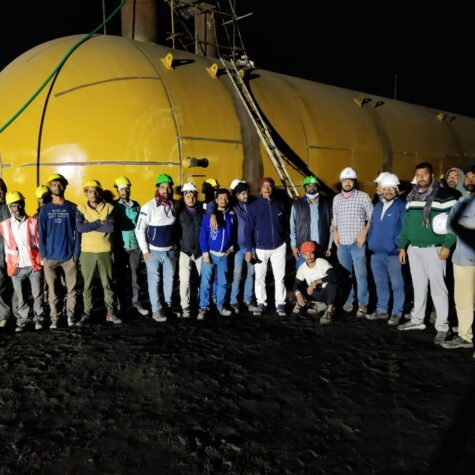
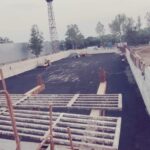
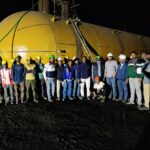
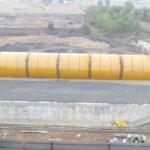
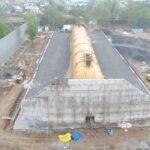
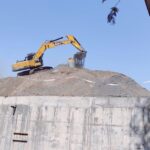
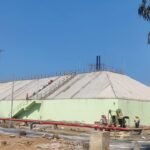
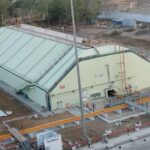
Jabalpur MSV Project – Civil & Structural oriented work. For the construction of 1 x 1000 MT Mounded Storage Vessel for LPG Storage & Bottling Plant at Hindustan Petroleum Corporation Limited, situated at Niwas Road Phase II, Maneri Industrial Area, Jabalpur, Madhya Pradesh.
Key Information
- Owner
- Client
- Project Value
- Project Duration
- Hindustan Petroleum Corp Ltd
- Ishan Equipment Private Ltd
- 6.40 Crores
- November 2020 - April 2022
Key Points
Project Description
- Jabalpur MSV Project – Civil & Structural oriented work
For the construction of 1 x 1000 MT Mounded Storage Vessel for - LPG Storage & Bottling Plant at Hindustan Petroleum Corporation Limited, situated at Niwas Road Phase II, Maneri Industrial Area, Jabalpur, Madhya Pradesh.
- This Newly Constructed Mounded LPG Bullet will further expand the Unloading, Storage & Bottling capacity of Liquefied Petroleum Gas of this plant from 450 MT to 1450 MT.
SITE LOCATION
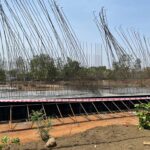
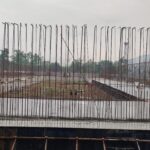
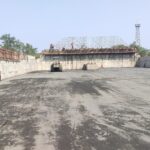
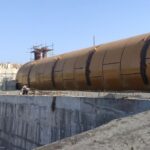
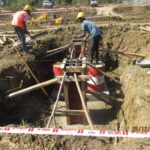
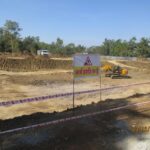
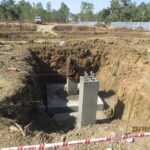
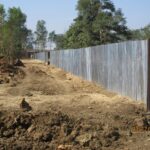
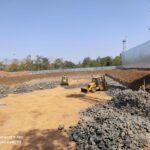
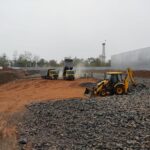
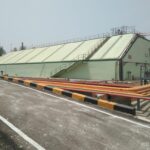
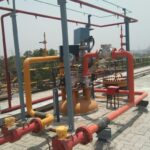
SITE IMAGES








Contact
For any inquiries please email
Email Us : anhconstructionpvtltd@gmail.com
Contact Us : +91 8083633272
FAQ
What types of construction projects do you specialize in?
We are specialized majorly in Industrial Fields of Oil & Gas, Power Sector such as refineries & Thermal, Solar Power Plants.
Can you provide examples of past construction projects you've successfully completed?
We have successfully Completed Four Mounded Storage Vessel Projects, Two Thermal Power Plants projects. We are currently working in the country’s best refineries & power plants.
What sets your construction company apart from others in the industry?
Our team members’ free-thinking, problem-solving approach & timely delivery of targets keeping it sustainable is something that sets ANH Construction apart from others in the industry?
What geographic areas do you serve?
We are having presence in PAN India basis having special intention for the industrial development of Northen & eastern India.
How experienced is your team in handling construction projects?
We are a team of vastly experienced workforce with Engineers from the countries most esteemed institutes having experience in some of the best construction projects in the country & overseas.
What is your approach to project management and timelines?
Our focus thorough pre-construction planning, detailed scheduling, effective resource allocation, continuous communication, and proactive risk management & Timely issue resolution, quality control, and adherence to safety protocols are kept essential. Technology integration, such as project management software and BIM, enhances efficiency. Post-construction, documentation and client handover ensure successful project completion are our best rewards.
How do you handle unexpected challenges or changes during a construction project?
Risk Assessment and Planning:
Conduct a thorough risk assessment before the project starts to identify potential challenges. Develop contingency plans for likely risks and establish protocols for unexpected issues.
Effective Communication:
Establish clear lines of communication among project stakeholders, including the construction team, clients, subcontractors, and suppliers. Ensure that everyone is aware of the communication channels and reporting mechanisms.
Flexibility in Scheduling:
Build flexibility into the project schedule to accommodate unforeseen delays or changes. This allows for adjustments without compromising the overall timeline.
Proactive Problem Solving:
Encourage a proactive problem-solving approach among team members. Foster a culture where challenges are seen as opportunities to find innovative solutions.
Regular Project Updates:
Provide regular updates to all stakeholders on project progress and any changes to the original plan. Transparency helps manage expectations and reduces surprises.
Risk Management:
Continuously monitor and reassess potential risks throughout the construction process. Implement risk management strategies to mitigate or minimize the impact of unexpected challenges.
Collaborative Decision-Making:
Involve key stakeholders in decision-making processes when addressing unexpected challenges. Collaborative decisions often lead to more effective solutions.
Adaptability and Innovation:
Foster an environment that encourages adaptability and innovation. Encourage the construction team to explore creative solutions when faced with unexpected challenges.
How do you ensure safety on construction sites?
Ensuring safety on construction sites:
Comprehensive Training:
Provide thorough training for all workers on construction site safety protocols, including the proper use of equipment, handling of materials, and emergency procedures.
Job Safety Analysis:
Prior to work, Job safety analysis is made & checked for each activity to be executed.
Personal Protective Equipment (PPE):
Enforce the use of appropriate PPE, such as hard hats, safety glasses, gloves, hearing protection, and respiratory protection, depending on the nature of the work.
Fall Prevention:
Implement fall protection measures, such as guardrails, safety nets, and personal fall arrest systems, especially for work at heights.
Scaffold Safety:
Ensure that scaffolds are erected, inspected, and used according to safety standards. Provide proper access, guardrails, and toe boards on scaffolding platforms.
Equipment Safety Checks:
Conduct regular inspections and maintenance of construction equipment to identify and address potential hazards. Train operators on safe equipment operation.
Hazard Communication:
Clearly communicate potential hazards through signs, labels, and regular safety meetings. Use standardized symbols and language for consistent understanding.
Emergency Response Plans:
Develop and communicate emergency response plans, including evacuation procedures, first aid locations, and the use of fire extinguishers. Conduct regular drills.
Site Organization:
Plan the construction site layout to minimize congestion, provide clear pathways, and separate pedestrian and vehicular traffic. Properly store materials and equipment to prevent tripping hazards.
Regular Inspections:
Conduct frequent safety inspections to identify and correct potential hazards promptly. Encourage workers to report unsafe conditions or practices.
Communication and Reporting:
Foster a culture of open communication regarding safety concerns. Establish a reporting system for near misses and incidents to investigate and implement preventive measures.
Regular training, ongoing communication, and continuous improvement are key elements by which we execute a successful & safe project.


